

The Nature of Luck in Gambling
Luck is often regarded as a critical element influencing outcomes in various casino games, from the spinning reels of a slot machine to the strategic plays in poker, especially when considering the growing popularity of online casino options. In essence, luck refers to the random chance that can determine whether a player wins or loses, significantly impacting the overall gambling experience. While skill and strategy undeniably contribute to a player’s success, the inherent randomness of many games means that luck is an omnipresent factor at the gaming tables, often dictating the outcome in unpredictable ways.
Consider the mechanics of slot machines, which operate based on intricate algorithms designed to deliver random results. Each spin is independent, and the outcome remains uncertain until the reels come to a stop. Even seasoned players, armed with knowledge of potential strategies, find themselves at the mercy of luck, as hitting a jackpot is a matter of achieving a fortunate combination of symbols. This unpredictability is a fundamental aspect of what makes casinos so captivating, drawing players in with the promise of unexpected wins and thrilling surprises.
Moreover, the intensity of luck can vary depending on the type of game played. In card games like poker, players must navigate both luck and skill, as the cards dealt can create advantageous or disadvantageous scenarios. A skilled player may make informed decisions based on the hand they receive, but they still need a stroke of luck to secure strong hands that can lead to victories. This dynamic interplay between strategy and luck transforms gambling into not merely a game of chance, but rather a fascinating amalgamation of skill, fortune, and risk-taking.
Luck versus Skill: The Ultimate Showdown
The ongoing debate regarding the roles of luck and skill in gambling often creates divisions among enthusiasts. Some players firmly believe that luck is the dominant force, while others argue that skill is indispensable for achieving long-term success. In reality, both elements are interwoven, with luck frequently setting the stage for opportunities that skilled players can then capitalize on. A player equipped with a deep understanding of the game can significantly improve their odds, yet they must still rely on luck to execute their strategies effectively.
Take blackjack as an example; an experienced player may possess the knowledge to determine when to hit, stand, or double down based on the probabilities and current cards. However, regardless of the strategy employed, they cannot control the outcome of the next card drawn. Thus, a fortunate draw can be the deciding factor in their success or failure. Recognizing when luck plays a pivotal role can help players manage their expectations, allowing them to enjoy the unpredictable nature of gambling without becoming disillusioned by unrealistic hopes.

This balance between skill and luck becomes even more pronounced in tournament settings, where players compete against each other rather than solely against the house. In these scenarios, skill often takes center stage as top players leverage their expertise to outmaneuver their opponents. Yet, even in this competitive environment, unexpected outcomes can arise, as a single bold move or an unfortunate card can dramatically alter the game’s trajectory. This understanding is crucial for aspiring players who wish to enhance their gameplay while acknowledging the inevitable influence of luck.
Psychological Effects of Luck on Players
Luck significantly impacts not only the outcomes of casino games but also the psychological states of players. The sensation of feeling ‘lucky’ can elevate a gambler’s confidence, prompting them to place larger bets. Conversely, a series of unfortunate events can dampen morale, leading to feelings of frustration or despair. This emotional rollercoaster is an inherent part of the gambling experience and can substantially affect decision-making at the tables.
Research has demonstrated that individuals’ beliefs about luck can directly influence their gambling behavior. Some players may adopt the notion of having a ‘lucky charm’ or following specific rituals that they believe enhance their chances of winning. This psychological phenomenon can result in increased wagers and prolonged gaming sessions, even when the odds are stacked against them. Understanding these psychological effects is vital for players to maintain a balanced approach to gaming, ensuring they can relish the experience while avoiding harmful behaviors.
Furthermore, the influence of luck extends beyond individual players, affecting group dynamics within casinos. Players often rally around a participant who appears to be enjoying a lucky streak, believing that their good fortune may be contagious. This social aspect of gambling can heighten the excitement but may also lead to risky behaviors, such as chasing losses or exceeding spending limits. Recognizing the psychological ramifications of luck can empower players to cultivate healthier gambling habits, thereby mitigating potential adverse consequences.
Strategies to Enhance Your Luck
While luck is predominantly an uncontrollable factor, players can adopt specific strategies to enhance their overall experience and potentially influence their outcomes. Firstly, selecting the right games can significantly impact a player’s chances of winning. For instance, games such as blackjack and poker often offer more favorable odds for skilled players compared to luck-dependent games like slots. By being mindful of game selection, players can optimize their gambling experiences and increase their chances of success.
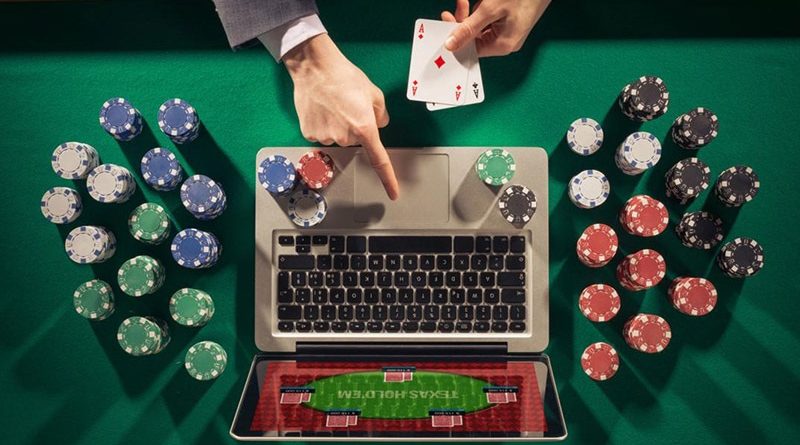
Moreover, setting limits and effectively managing bankroll is a crucial aspect of any successful gambling strategy. By establishing clear parameters regarding how much money and time to allocate, players can mitigate the emotional fallout of losing streaks. When individuals take control of their gambling habits, they can enjoy the thrill of the game while minimizing the stress that often accompanies reliance on luck. Crafting a responsible gaming plan can lead to a more balanced and enjoyable overall casino experience.
Additionally, practicing mindfulness can enhance one’s relationship with luck in gambling. By focusing on the present moment, players can maintain a positive mindset, irrespective of wins or losses. This approach not only fosters enjoyment but also encourages better decision-making during gameplay. Embracing the dual realities of luck’s uncertainty and the enjoyment inherent in gaming allows players to navigate the casino landscape in a healthier manner, ultimately enriching their gambling experience.
The Role of Online Resources
In the contemporary digital landscape, online resources play a crucial role in shaping how players comprehend and engage with luck in casinos. Numerous websites provide valuable insights ranging from strategies and game statistics to in-depth discussions about odds and probabilities. These resources empower players with the knowledge necessary to navigate complex games, allowing them to feel more in control of their gambling experiences and make informed decisions.
Additionally, online forums and communities offer platforms for players to share their experiences and tips, fostering discussions about the role of luck in various games. Engaging with like-minded individuals enhances the overall enjoyment of the gaming experience, as players can learn from one another and exchange stories about their lucky moments and effective strategies. This collaborative approach can create a sense of camaraderie among players, enriching their understanding of the game.
Ultimately, leveraging online resources can empower players, helping them recognize that while they cannot control luck, they can improve their approach to gambling. By educating themselves and sharing experiences, players can cultivate a healthier relationship with luck and its role in casino success. Embracing both the thrill and uncertainty of gambling can lead to a more fulfilling experience in the vibrant world of gaming, allowing individuals to enjoy the journey as much as the outcomes.